The Weekend Errand Run Nobody Warns You About in a New Subdivision
The builder's brochure shows you the model home, the finished landscaping, the community clubhouse rendering with people who look suspiciously happy about lawn maintenance. What it doesn't show you is your first Saturday morning in a brand new Plainfield or Aurora subdivision, standing in your driveway, realizing you have no idea where the closest gallon of milk is.
I've walked enough buyers through new construction closings to know this catches people off guard almost every time. Not because it's a bad surprise. It's just a real one, and nobody puts it in the listing.
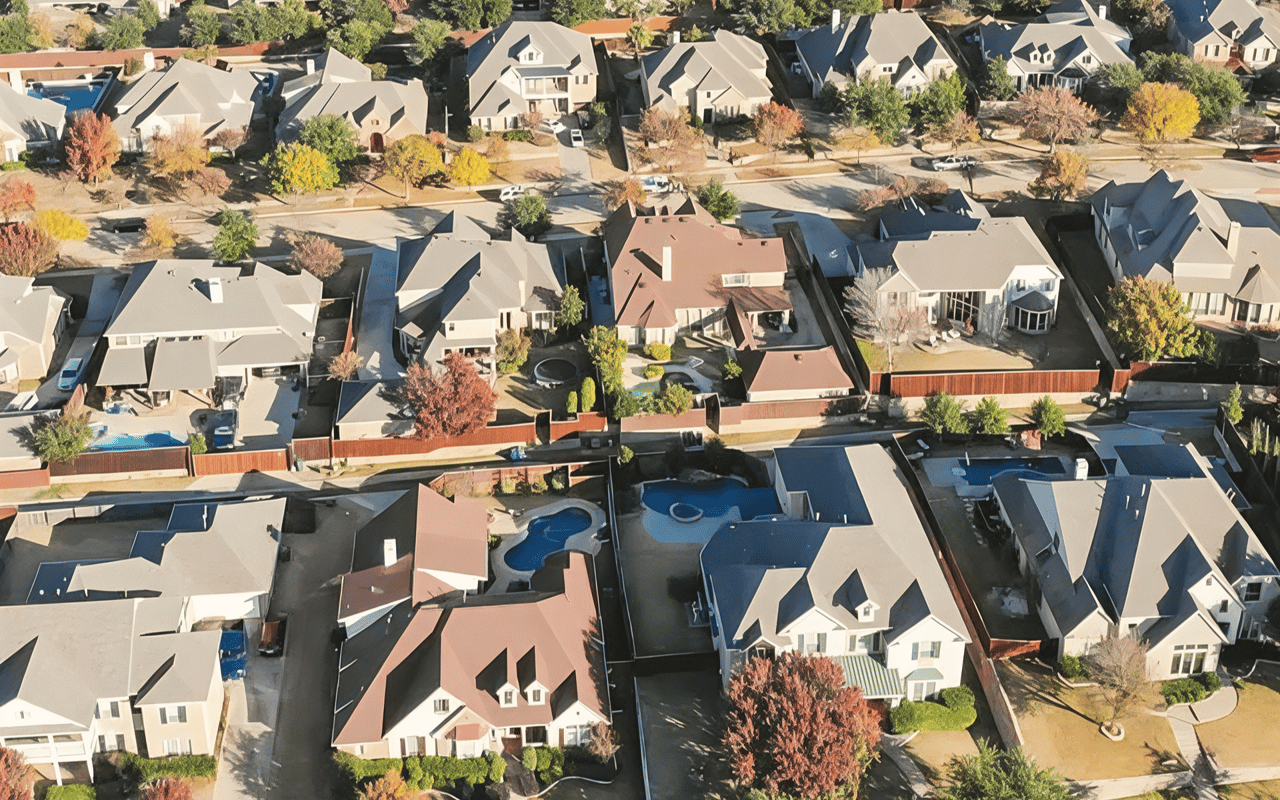
New subdivisions in growing pockets of Plainfield and Aurora often go up faster than the retail around them. You might be a fifteen or twenty minute drive from a full grocery store for the first year or two, especially if you're in one of the newer phases further from an existing town center. This isn't true everywhere; some builders phase in near established retail corridors, but it's worth asking your agent specifically before you fall in love with a floor plan. A quick way to check is pulling up the community on a map and timing the drive to the nearest grocery chain yourself before you sign anything.
New developments usually come with a homeowners association, and HOAs love a calendar. Trash pickup, recycling, bulk item removal, even lawn watering restrictions in the summer these all tend to get communicated through an HOA portal or a welcome packet that's easy to lose in the chaos of moving. My advice to every new construction buyer is the same: find that document in the first week, not the third month, and put the actual pickup days into your phone calendar before the boxes are even unpacked.
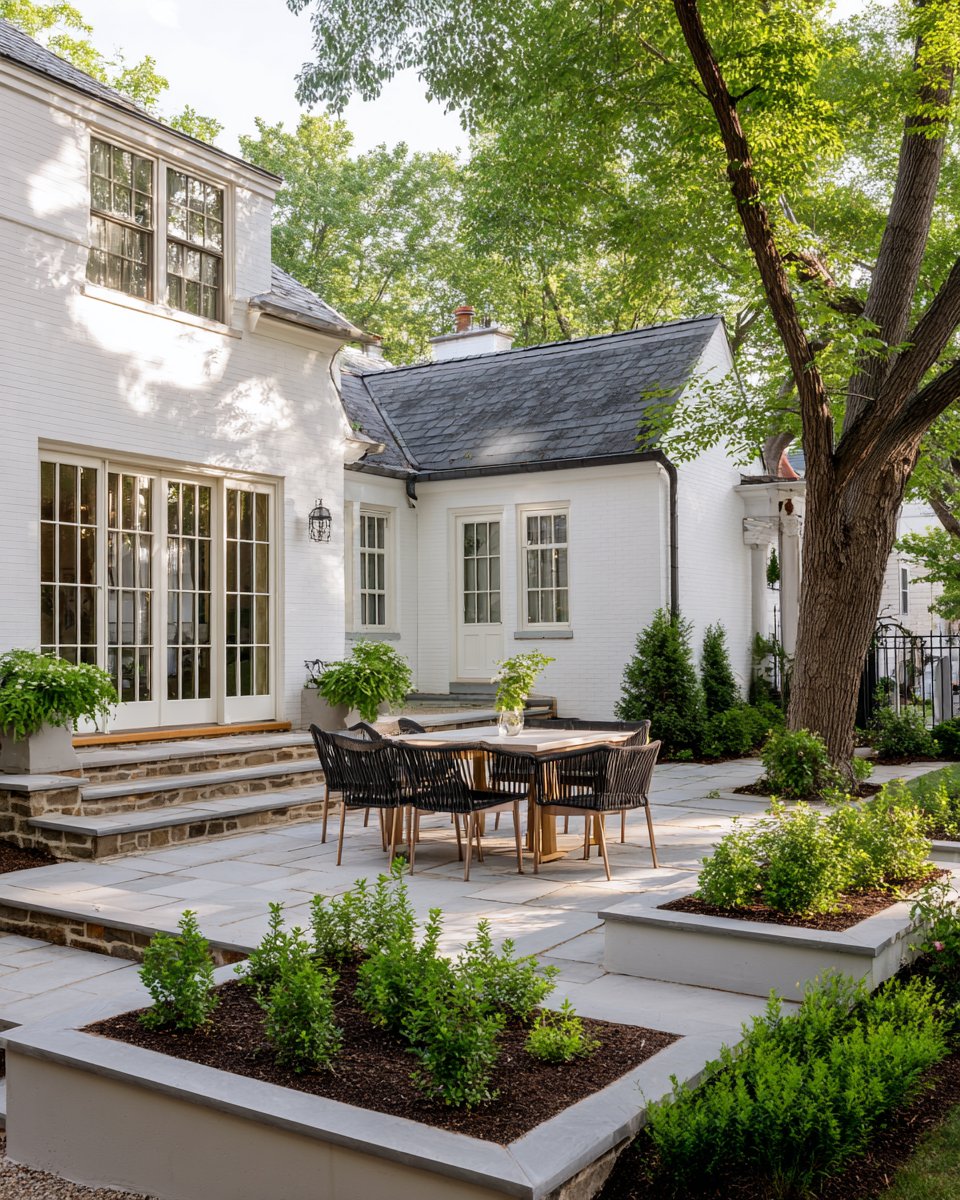
Builders typically install what's called builder-grade landscaping, a handful of shrubs and sod that gets the yard technically finished for closing. It usually takes two to three full growing seasons before trees have real shade and shrubs fill in the way they look in a five-year-old neighborhood down the road. If you're coming from an established area with mature trees, this can feel like a step backward for a while. It isn't. It's just a different starting point, and most homeowners tell me the payoff is worth the wait once everything catches up.
This one matters more than people expect, especially for families with young kids. In newer pockets of Aurora and Plainfield, the nearest urgent care or pharmacy might be a town over rather than a straight shot down the road. Before closing, it's worth mapping the actual drive time to urgent care, not just trusting that close to everything language in the marketing.
I want to be clear about something. Every one of these adjustments is temporary, and most families I've worked with say the first year of settling in was worth it once the neighborhood filled out, the trees grew, and a Trader Joe's or a Jewel finally opened up the road. New construction gives you a warranty, modern efficiency, and a blank canvas that resale homes usually can't match. The point of this post isn't to talk anyone out of it. It's to make sure the first few months don't catch you off guard.
It varies significantly by builder and location, but it commonly takes one to three years for grocery stores, pharmacies, and other retail to build out near a new subdivision, especially in growth corridors further from an established town center.
Not always. Some HOAs coordinate with the municipality on services like trash and recycling, while others leave it to the homeowner to set up service directly. This is worth confirming with your agent or the HOA documents before closing.
Most builder-grade landscaping, meaning the initial shrubs, sod, and any small trees installed at closing, takes about two to three growing seasons to fill in and start looking established.
Yes. In newer developments, especially ones further from an established downtown, it's worth confirming the actual drive time to the nearest urgent care, pharmacy, and pediatrician rather than relying on general proximity claims in marketing materials.
Whether you’re ready to buy your next home or considering selling your current one, we’re here to help. Complete the form below, and a member of our team will be in touch shortly to answer your questions and help you take the next step.
Work with a team backed by 25+ years of local experience, proven results, and a genuine commitment to every client relationship.

RYAN HILL GROUP
ADDRESS 1288 RICKERT DR STE 300 NAPERVILLE, IL 60540