Splash into Safety: Enjoying Fun and Safe Pool Parties
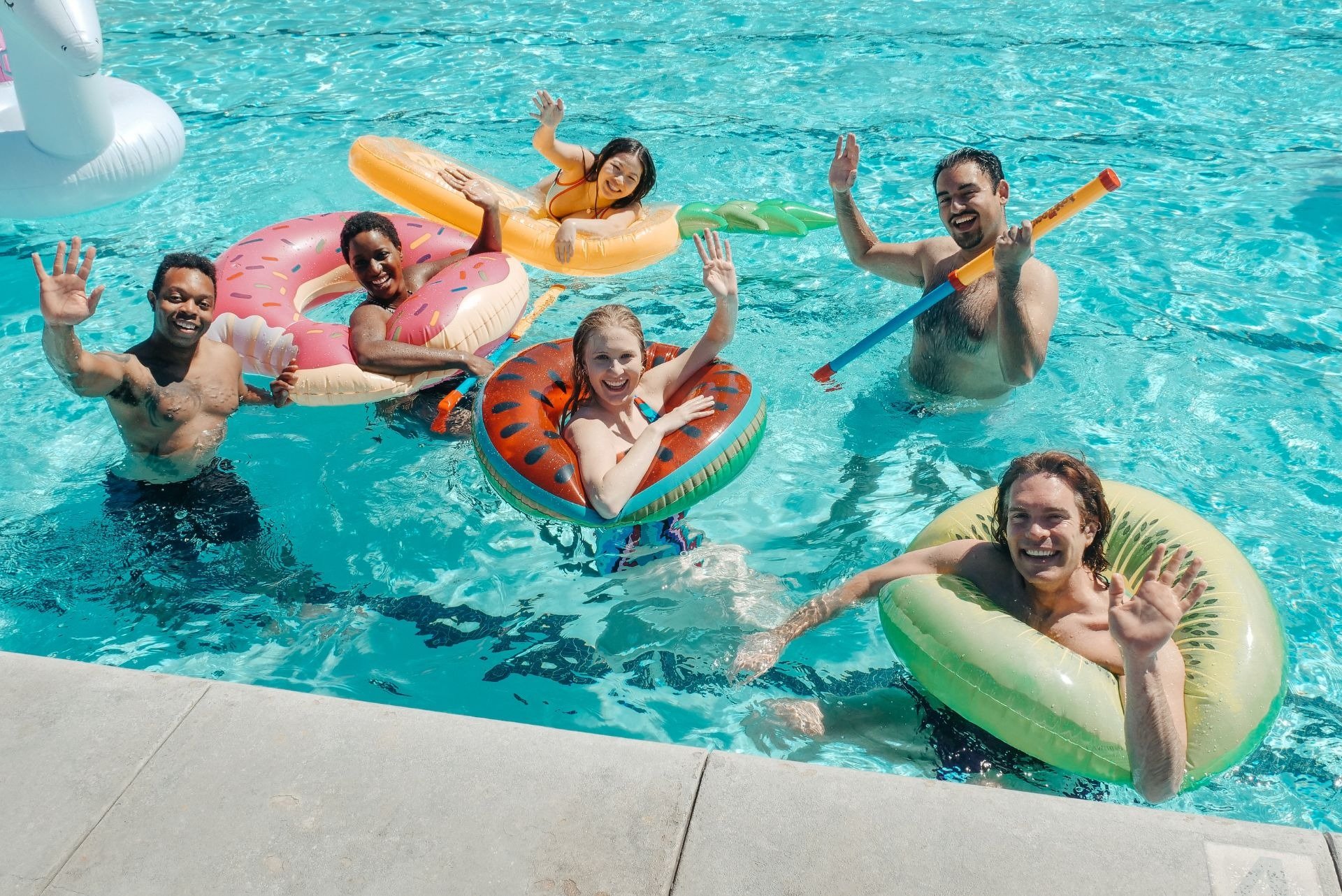
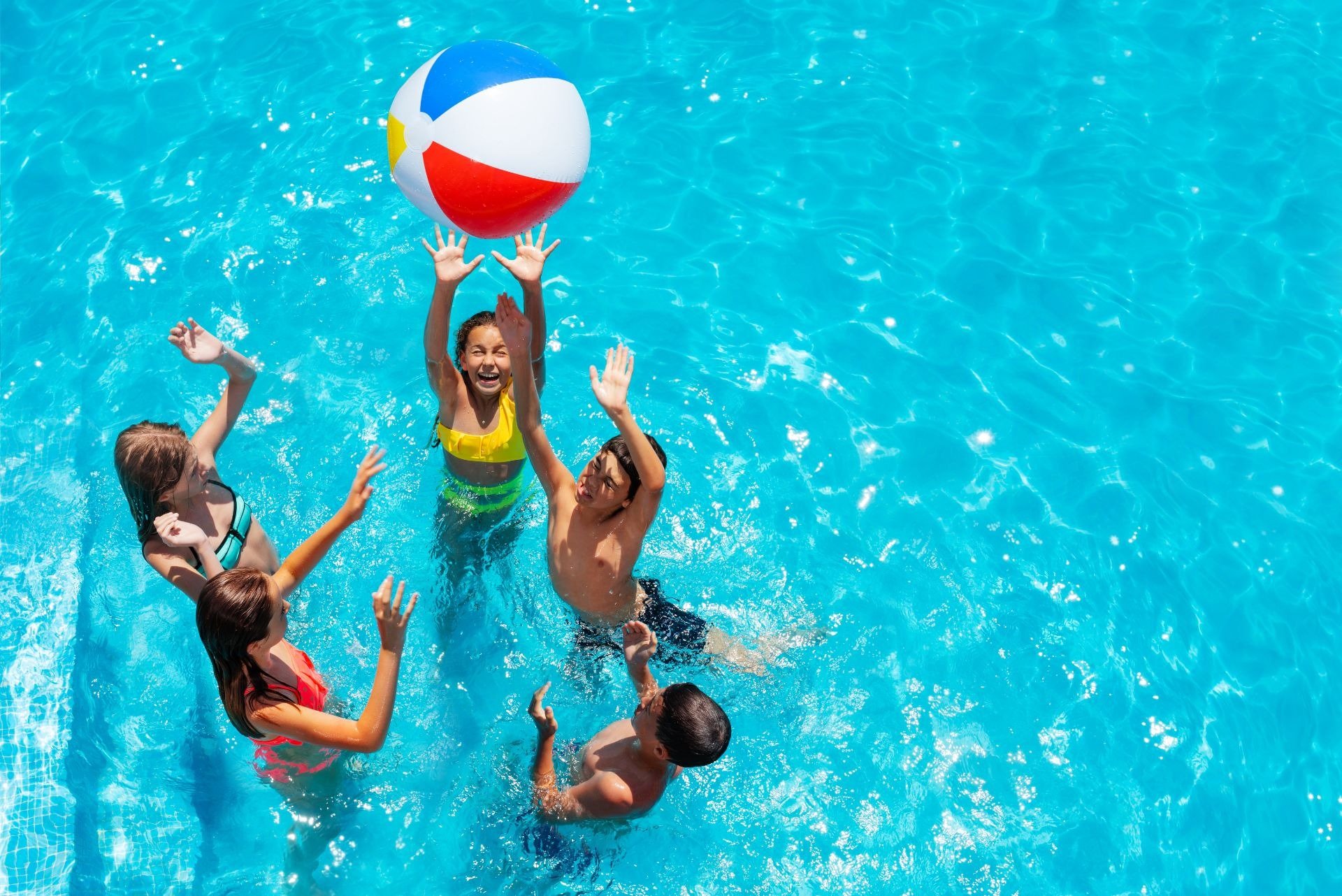
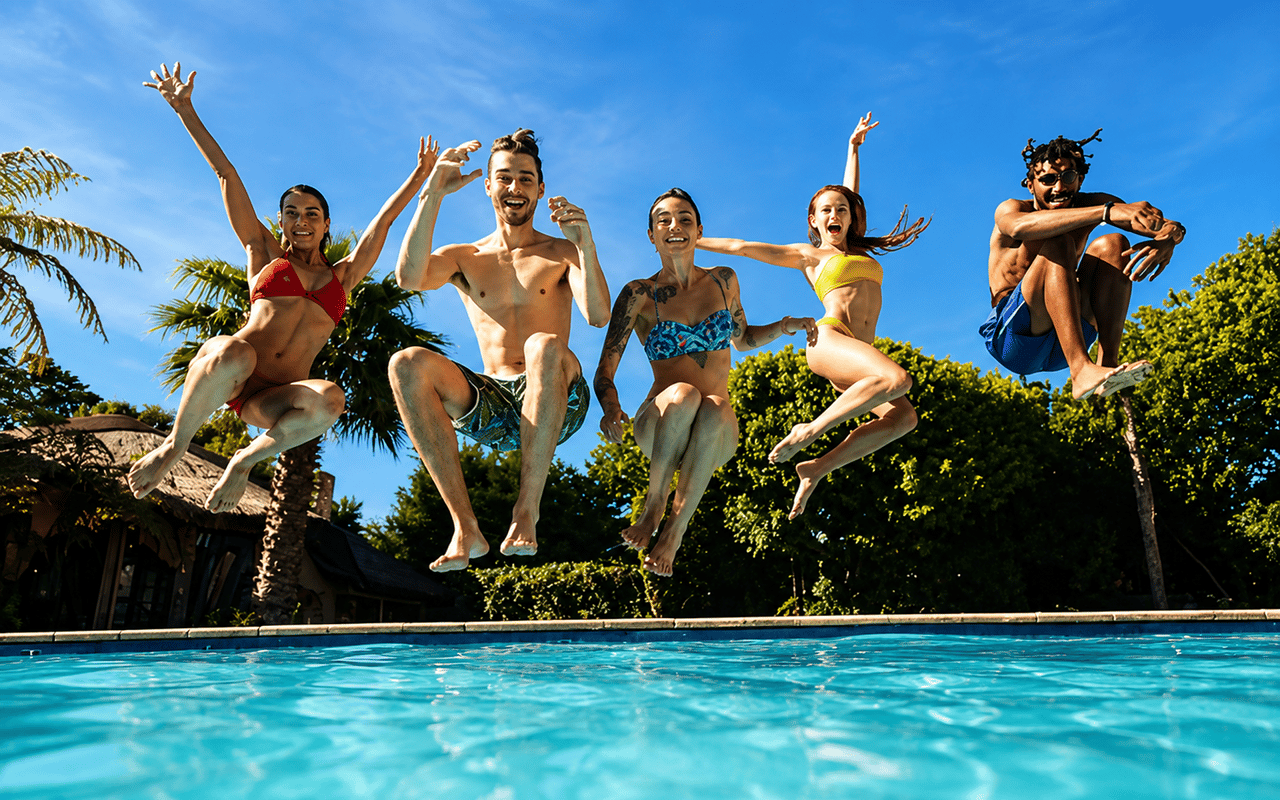
Summer pool parties are the perfect way to beat the heat, celebrate special occasions, and create lasting memories with family and friends. However, the combination of water, excitement, and groups of people requires careful planning to ensure everyone has a blast while staying safe. With the right preparation and safety measures, you can host unforgettable pool parties that prioritize fun without compromising on protection.
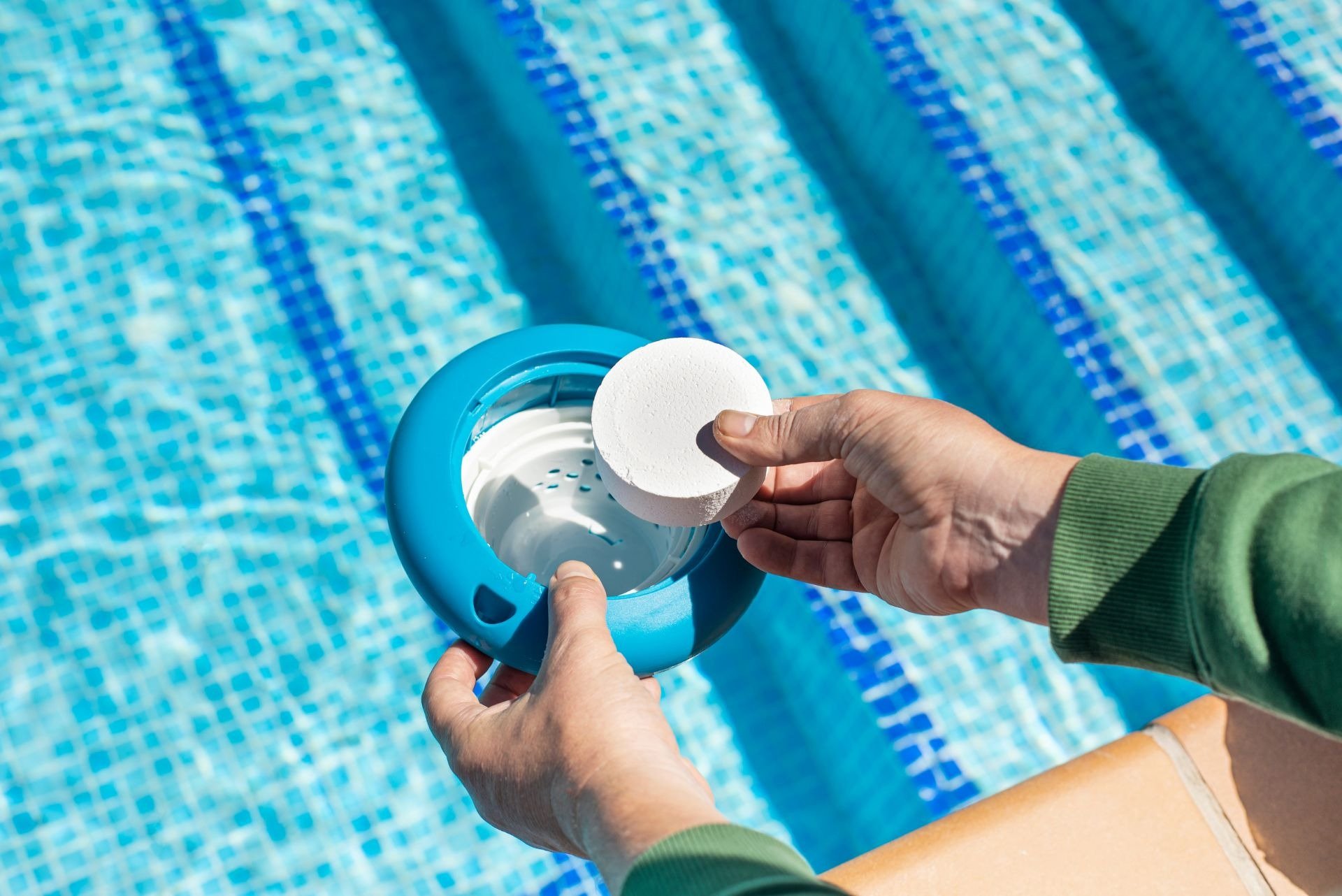
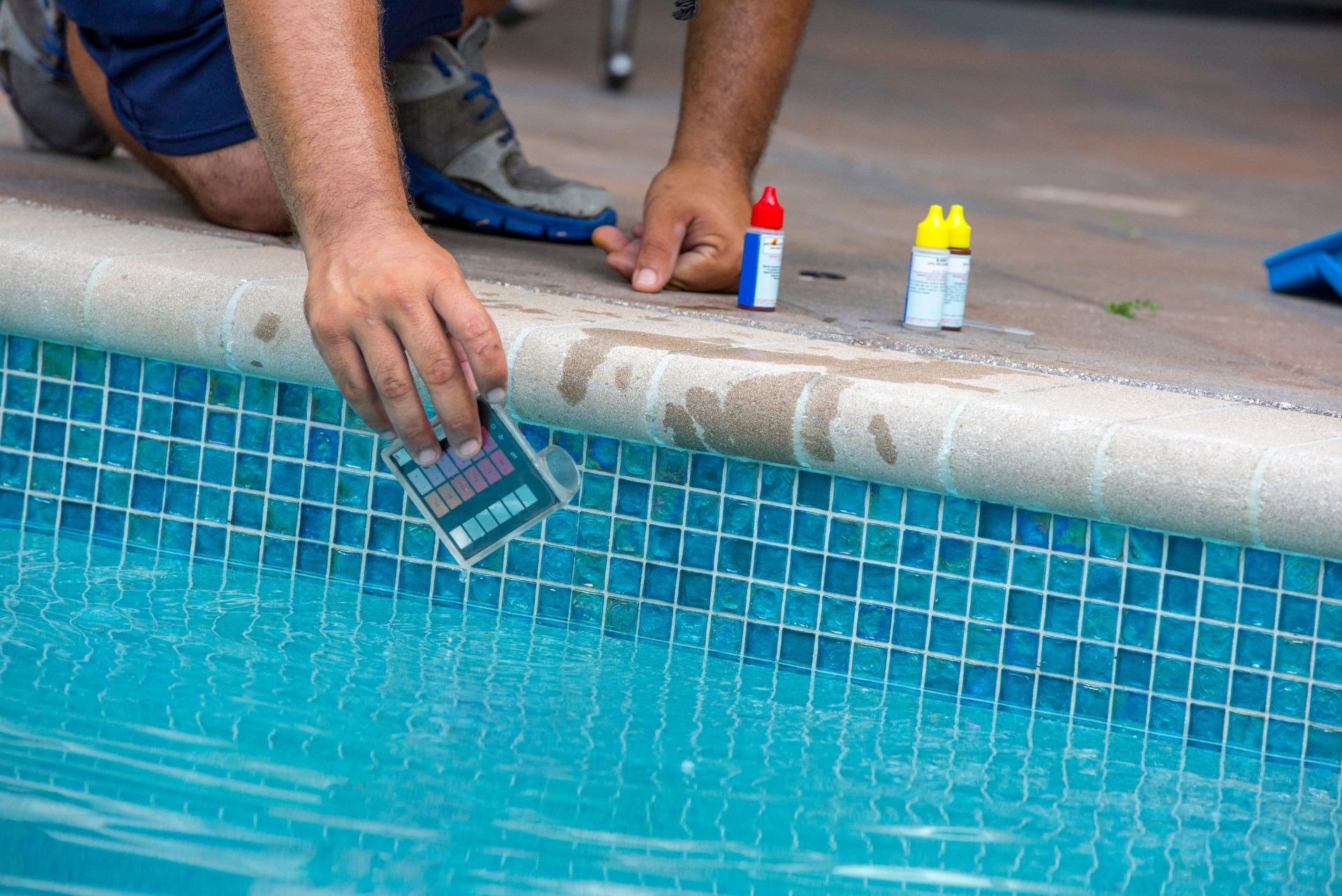
Before your guests arrive, conduct a thorough inspection of your pool area. Check that all safety equipment is in good working order, including pool alarms, safety covers, and rescue equipment. Ensure your pool's chemical levels are properly balanced - chlorine should be between 1.0-3.0 ppm, pH between 7.2-7.6, and alkalinity between 80-120 ppm. Test these levels at least 24 hours before your event to allow time for adjustments.
Clean your pool thoroughly, removing any debris from both the water and surrounding deck areas. Inspect pool equipment like filters, pumps, and lighting to ensure everything functions correctly. Replace any burnt-out bulbs, as proper lighting is crucial for evening events and overall safety.
Remove or secure any potential hazards around the pool area, including loose furniture, electrical cords, or slippery surfaces. Consider installing temporary barriers if you expect young children who aren't strong swimmers.
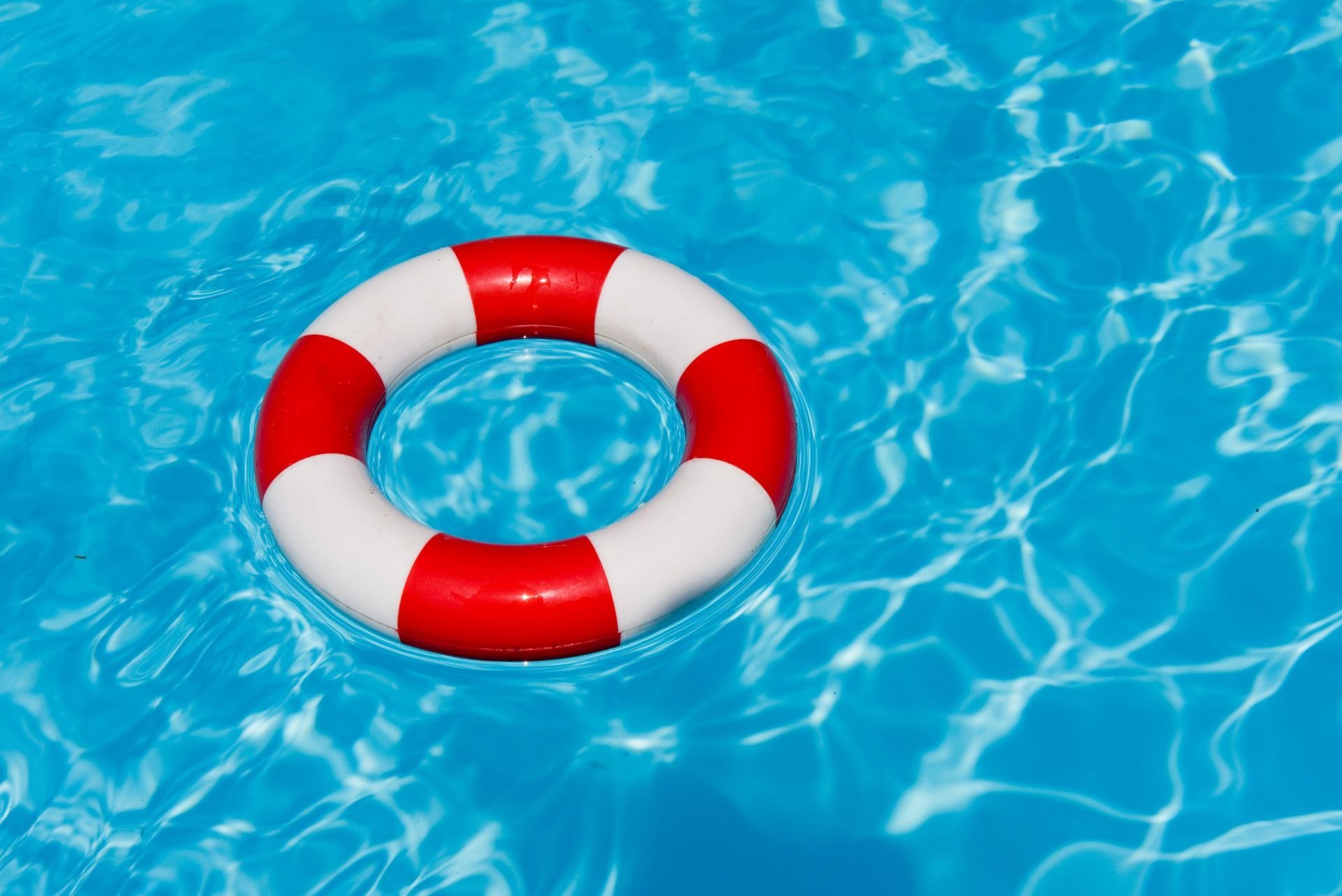
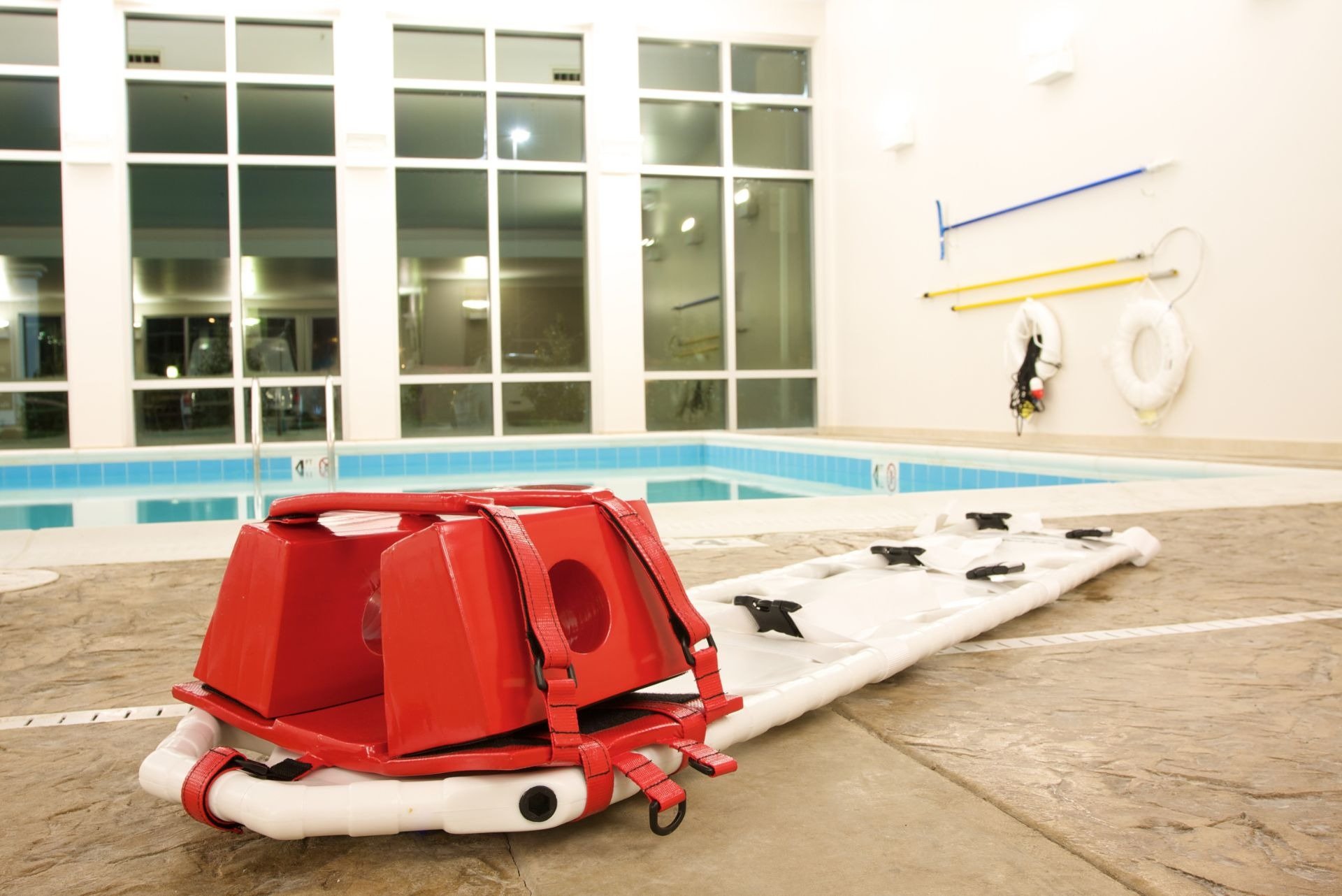
Every pool party should have designated safety zones and easily accessible rescue equipment. Place life rings, reaching poles, and flotation devices in multiple locations around the pool perimeter. Ensure these items are visible and unobstructed by party decorations or furniture.
Set up a first aid station in a clearly marked, easily accessible location. Stock it with bandages, antiseptic wipes, ice packs, and emergency contact information. Include a list of nearby urgent care facilities and emergency services numbers.
Create clear sight lines around the entire pool area by arranging furniture and decorations thoughtfully. Avoid placing large items that could block views of swimmers or create blind spots for supervision.
Consider installing temporary fencing or barriers if your regular pool fencing doesn't provide adequate separation between the party area and the pool, especially when hosting events with mixed age groups.
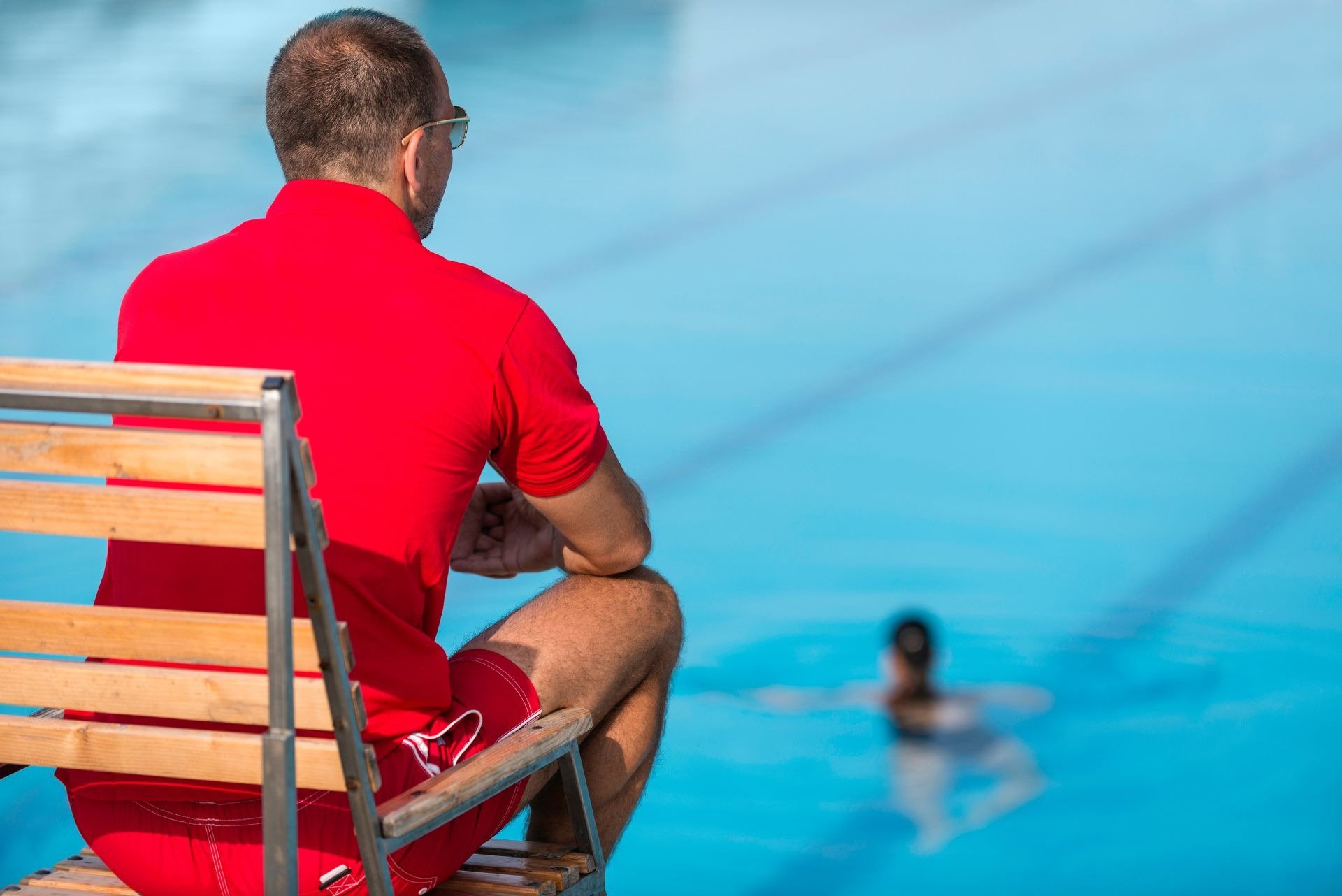
The most critical safety element at any pool party is constant, attentive adult supervision. Designate specific adults as "water watchers" who take turns maintaining focused attention on swimmers. These designated watchers should avoid distractions like phones, conversations, or alcohol while on duty.
Establish a rotation system for water watchers, typically changing every 15-20 minutes to maintain alert supervision. The off-duty adults can enjoy the party while the designated watcher maintains constant vigilance.
Water watchers should position themselves with clear views of the entire pool and stay within immediate reach of rescue equipment. They should understand basic water rescue techniques and know how to activate emergency services if needed.
For larger parties, consider having multiple water watchers positioned at different points around the pool to ensure comprehensive coverage of all swimming areas.
Pool parties often include guests with varying swimming abilities and ages, requiring thoughtful management to keep everyone safe. Create designated areas for different skill levels - shallow end for non-swimmers and beginners, deeper areas for confident swimmers.
Provide appropriate flotation devices for weaker swimmers, but remember these are aids, not substitutes for supervision. Coast Guard-approved life jackets are preferable to inflatable toys for children who cannot swim independently.
Establish clear pool rules and communicate them to all guests upon arrival. Post visible signs if necessary, covering rules about running on deck surfaces, diving restrictions, and buddy system requirements.
Consider organizing structured activities that naturally separate different skill groups, such as shallow-end games for beginners and deeper-water activities for stronger swimmers.
Managing food and beverages around water requires special attention to prevent accidents and maintain hygiene. Establish designated eating and drinking areas away from the pool edge to prevent spills that could create slippery surfaces.
Use plastic or other non-breakable containers for all food and drinks around the pool area. Glass containers pose serious risks if broken on pool decks or in the water.
Maintain proper food temperatures and hygiene standards, especially in hot weather. Use insulated containers, ice, and shade to keep perishable items safe. The combination of heat, humidity, and outdoor conditions can quickly compromise food safety.
Consider the timing of meals in relation to swimming activities. Encourage guests to wait at least 30 minutes after eating before swimming vigorously to prevent cramping.
Keep alcoholic beverages separate from pool activities. Adults consuming alcohol should not be designated as water watchers and should exercise extra caution around water.
Monitor weather conditions throughout your event and have contingency plans for changing conditions. Summer weather can change rapidly, bringing sudden storms, high winds, or lightning.
Establish clear protocols for weather-related pool closures. At the first sign of lightning or approaching storms, clear the pool immediately and move guests to safe indoor areas.
Create a communication plan for emergencies, ensuring all adults know how to contact emergency services and understand their roles in emergency response. Keep emergency contact numbers readily available and ensure your address is clearly posted for emergency responders.
Have adequate indoor space available as backup in case weather forces the party inside. Prepare alternative entertainment options that don't require pool access.
Organize safe, age-appropriate activities that enhance fun while maintaining safety standards. Classic games like Marco Polo, pool tag, or water volleyball can be enjoyed safely with proper supervision and clear boundaries.
Avoid games that involve breath-holding, underwater swimming contests, or activities that could lead to hyperventilation. These activities significantly increase drowning risks and should never be part of pool parties.
Create non-swimming activities for guests who prefer to stay out of the water, such as poolside games, music, or socializing areas. This ensures everyone can participate regardless of swimming ability.
Establish clear rules for any pool toys or equipment, including proper use and storage when not in active use. Remove or secure toys that could create hazards or encourage unsafe behavior.
Modern technology offers additional safety tools for pool parties. Pool alarms can provide extra alerts if someone enters the water unexpectedly, though they should supplement, not replace, human supervision.
Consider using underwater lighting systems that improve visibility during evening events. LED pool lights are energy-efficient and provide excellent illumination for safety.
Waterproof communication devices can help coordinate supervision and emergency response among adults at larger parties. Simple walkie-talkies or waterproof phone cases can facilitate communication.
Some pools benefit from security cameras that help monitor activity, though these should never replace active human supervision.
After guests leave, secure your pool area immediately. Replace safety covers, lock gates, and ensure all safety equipment is properly stored and accessible for future use.
Conduct a thorough cleanup, removing any items that could pose future hazards. Check chemical levels and adjust as needed, as heavy use during parties often affects water balance.
Inspect equipment for any damage that may have occurred during the event. Address any maintenance needs promptly to ensure your pool remains safe for future use.
Document any incidents or near-misses that occurred during the party to improve safety planning for future events.
Creating a culture where safety is prioritized without diminishing fun requires consistent messaging and modeling. Lead by example in following safety rules and maintaining vigilant supervision.
Educate regular guests about your pool safety expectations so they can help maintain standards and assist with supervision. Regular visitors who understand your safety protocols become valuable partners in maintaining secure pool environments.
Consider hosting occasional pool safety refresher sessions for frequent guests, covering basic rescue techniques, emergency procedures, or CPR basics. These sessions can be informal and educational while building community awareness.
Celebrate and acknowledge guests who demonstrate good safety practices, reinforcing positive behaviors and encouraging others to follow suit.
Whether you’re ready to buy your next home or considering selling your current one, we’re here to help. Complete the form below, and a member of our team will be in touch shortly to answer your questions and help you take the next step.
Work with a team backed by 25+ years of local experience, proven results, and a genuine commitment to every client relationship.

RYAN HILL GROUP
ADDRESS 1288 RICKERT DR STE 300 NAPERVILLE, IL 60540