Selling Your Illinois Home in 2026: What Sellers Need to Know
Illinois home sellers in 2026 are stepping into a market that is neither a frenzy nor a freeze, but something in between. Low inventory continues to give well-prepared sellers an edge, while buyers are more thoughtful and payment‑sensitive than they were a few years ago. Understanding what this means for your timing, pricing, and marketing can help you move with confidence rather than guesswork.
Across much of Illinois; especially suburbs like Naperville, Aurora, Yorkville, and the I‑88 corridor; inventory remains relatively tight, and reasonably priced homes still attract steady interest. Buyers are watching monthly payments closely, but they have not disappeared; relocations, life changes, and first‑time buyer programs keep activity moving. This environment tends to reward sellers who are realistic and strategic, rather than those who expect bidding wars by default.
Market conditions can vary street by street. One neighborhood might see quick contracts while another a few miles away moves more slowly. That is why broad headlines rarely tell the full story. Before you decide to list, reviewing recent data for your specific price point and property type is essential, and a local real estate professional can help you interpret that information.
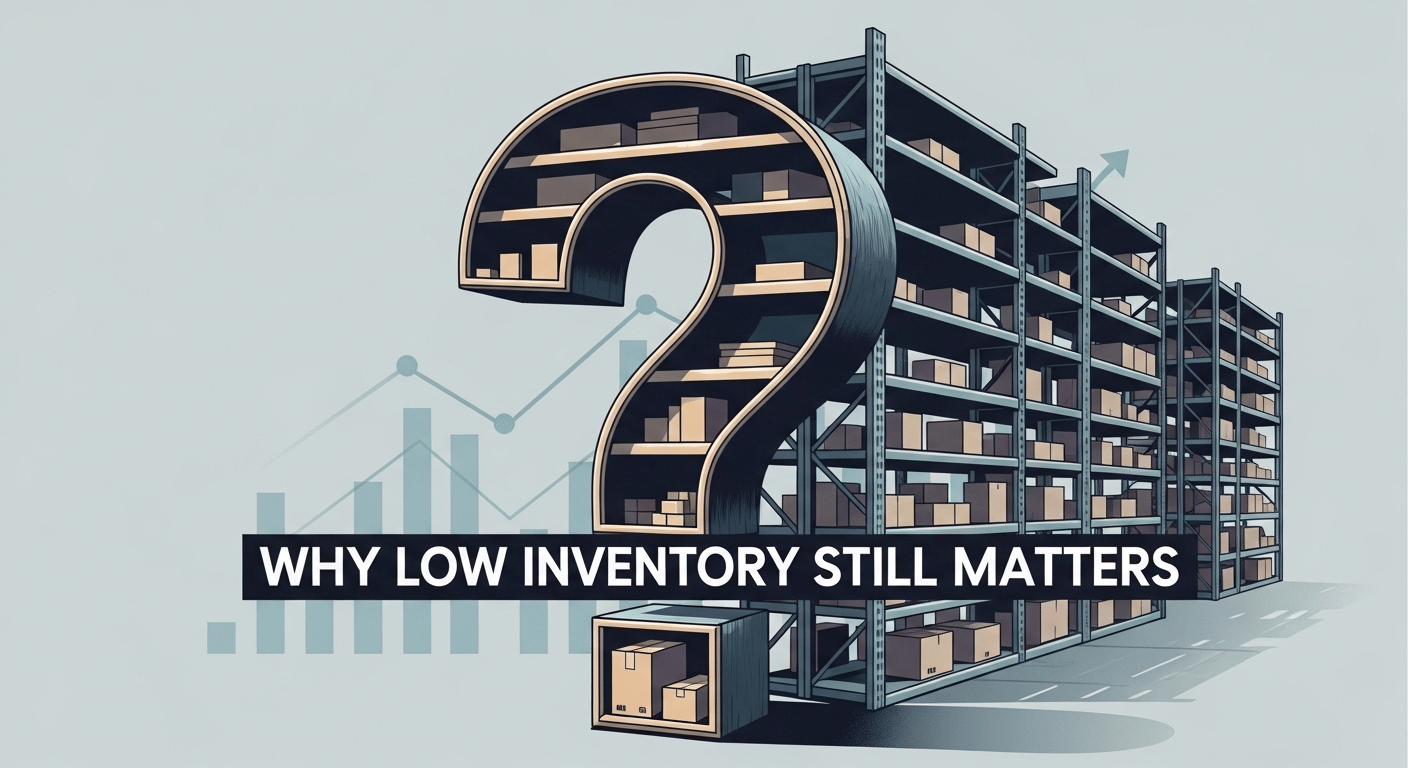
Low inventory means that in many areas there are fewer competing homes than there are buyers looking. For sellers, that can translate into:
A better chance of attracting solid offers when the home is priced appropriately.
Less pressure to offer large concessions if buyers have limited alternatives.
However, “low inventory” does not mean “automatic top dollar.” Overpricing can still cause a home to sit on the market and eventually sell for less than if it had been positioned correctly from the start. Buyers today have access to detailed listing data and automated value estimates; they can spot an unrealistic list price quickly.
Pricing your home is part math, part market reading, and part timing. A solid pricing strategy usually includes:
Reviewing recent comparable sales (similar homes that actually closed, not just active listings).
Considering current competition; what buyers will see when they tour your home.
Accounting for condition: updates, repairs, and any deferred maintenance.
Rather than aiming for the highest number anyone has gotten on your street, it is often more effective to price within a range that matches what buyers are paying right now. That approach can generate more showings, which in turn can lead to stronger offers. Your agent can walk you through several scenarios so you understand the trade‑offs of pricing slightly higher, right at the market, or slightly below to encourage more interest.
In a more balanced market, buyers look more closely at value and condition. Simple preparation can make your home stand out:
Repairs and maintenance: Fix obvious issues like leaky faucets, broken tiles, loose railings, and peeling paint. These small items can shape a buyer’s perception of how well the home has been cared for.
Decluttering and cleaning: Clear surfaces, edit furniture, and create open sightlines. A clean, airy feel helps buyers imagine themselves in the space and makes rooms feel larger.
Curb appeal: Fresh mulch, trimmed shrubs, a swept porch, and a tidy entry can set a positive tone before buyers ever step inside.
Staging: Professional or DIY staging can highlight your home’s best features; such as natural light, flexible living spaces, or a finished basement; and help buyers see how each room can be used.
You do not need to remodel the entire home to sell well. Often, targeted improvements and a thoughtful presentation bring a stronger return than big, last‑minute projects.
Contact Teresa Today: (630) 276-7575 / ryanhillgroup.com
Whether you’re ready to buy your next home or considering selling your current one, we’re here to help. Complete the form below, and a member of our team will be in touch shortly to answer your questions and help you take the next step.
Work with a team backed by 25+ years of local experience, proven results, and a genuine commitment to every client relationship.

RYAN HILL GROUP
ADDRESS 1288 RICKERT DR STE 300 NAPERVILLE, IL 60540