Pocket Neighborhoods in Chicago
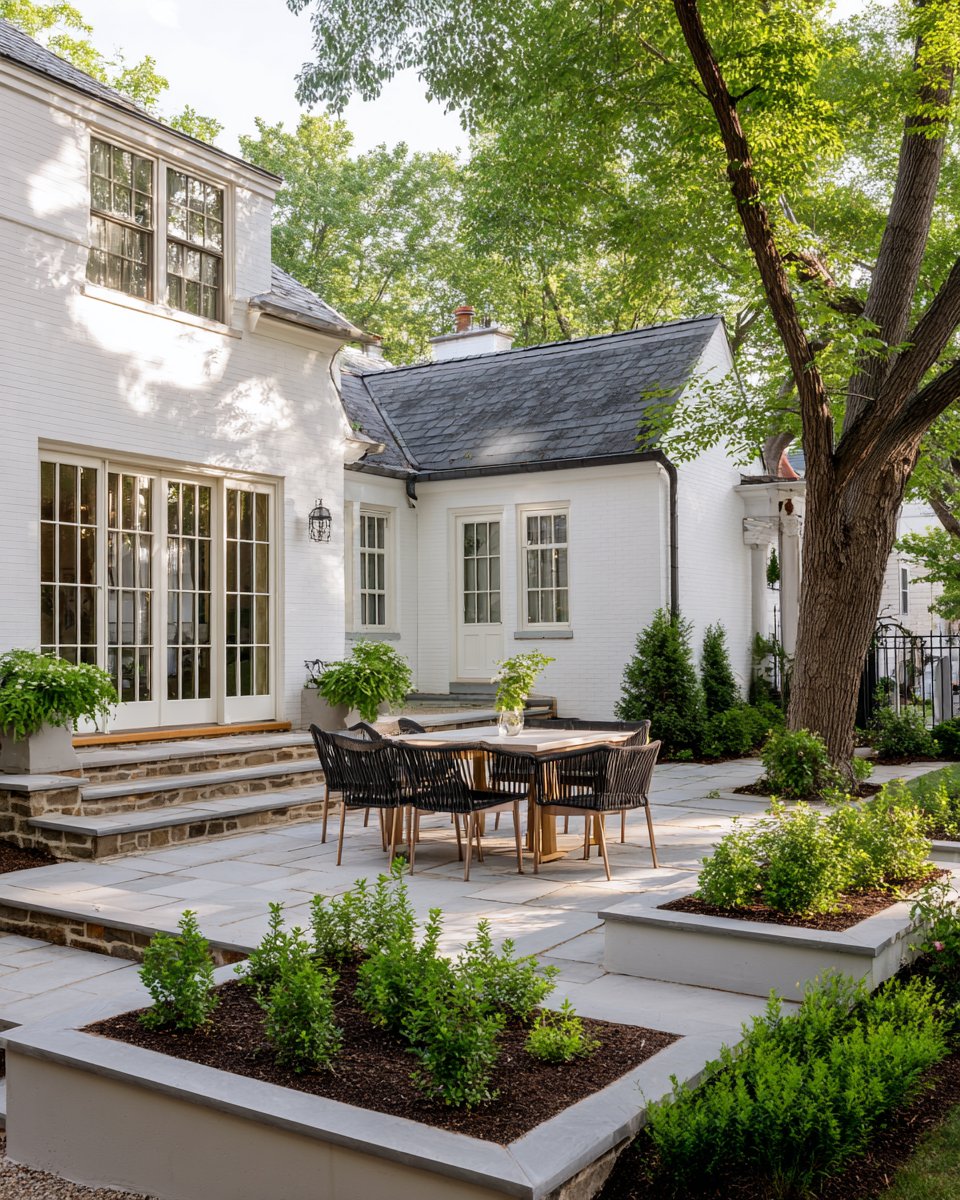
When deciding to build a community for residents to call home, designers and architects must work together to use sought-after elements to help create the right appeal. One way to do this is through small-scale neighborhoods, known as “pocket neighborhoods” because of their limited size. In this way, the dwellings – homes, apartments, or condos – share a common area they own collectively, most often a walkway, courtyard, clubhouse, or parking lot for residents to access at any time. The man credited with the concept of pocket neighborhood designs is architect Ross Chaplin, and developer Jim Soules, whose most noted work was the Langley, Washington-based Third Street Cottages built-in 1996.
At the 24th Annual Congress for New Urbanism held earlier this year in Detroit, more than 1,500 individuals gathered to discuss what makes for ideal neighborhoods, and pocket neighborhoods proved to be a recurring topic of discussion of the day, because of their appeal across different segments of the population. From young singles to retired seniors, there are lots of people who desire pocket neighborhood living. In fact, in many places around the country, people remain on waiting lists!
Pocket Neighborhoods: the Attraction
Pocket neighborhoods are recognized as being quiet retreats, where people can connect with their neighbors – something that can be challenging in today’s busy world of work and school. With careful planning and input from members of local communities, more of these neighborhoods can be developed.
A true pocket neighborhood contains:
Pocket Neighborhoods in the Chicago Area
Chicagoland has several pocket neighborhoods to explore, including:
If you are looking for homes for sale in Chicago and the surrounding areas, turn to the expertise of Teresa Ryan, Managing Broker / Owner of Ryan Hill Group, who will guide you to your next new home! Contact her today at 630-276-7575 or [email protected].
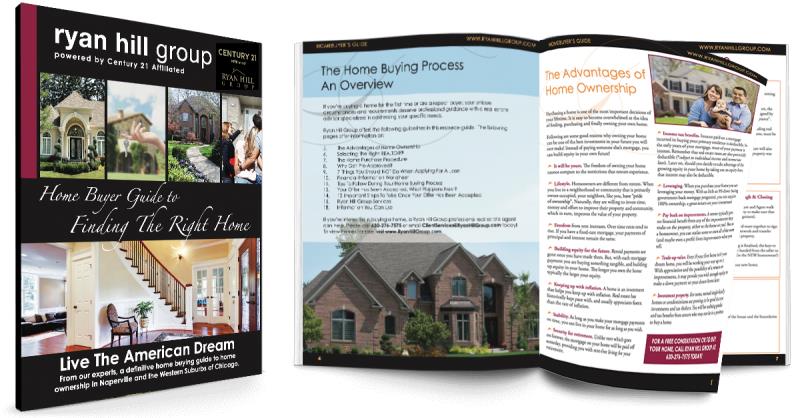
Get a copy of our Home Buyer Guide written by Teresa Ryan for Chicagoland home buyers, visit: FREE Home Buyer's Guide
Whether you’re ready to buy your next home or considering selling your current one, we’re here to help. Complete the form below, and a member of our team will be in touch shortly to answer your questions and help you take the next step.
Work with a team backed by 25+ years of local experience, proven results, and a genuine commitment to every client relationship.

RYAN HILL GROUP
ADDRESS 1288 RICKERT DR STE 300 NAPERVILLE, IL 60540