Parking Perks: How Your Parking Choice Impacts Property Value
A Complete Guide for Homebuyers and Sellers
When house hunting or preparing to sell, most people focus on bedrooms, bathrooms, and square footage. But there's one feature that quietly influences property values more than you might expect: parking. Whether it's a coveted garage spot, a dedicated driveway, or even street parking availability, your parking situation can significantly impact your home's market value and appeal to potential buyers.
Recent market analysis shows that homes with dedicated parking spaces command premium prices across most U.S. markets. A single-car garage can add 12-15% to a home's value in urban areas, while a two-car garage can increase value by 20% or more in suburban markets. In cities like San Francisco, New York, or Boston, a parking space can add tens of thousands of dollars to your property's worth.
The impact varies significantly by location. In walkable urban neighborhoods with excellent public transit, parking might add moderate value. However, in car-dependent suburban areas, the absence of adequate parking can be a deal-breaker for many buyers, potentially reducing your pool of interested purchasers and affecting final sale prices.
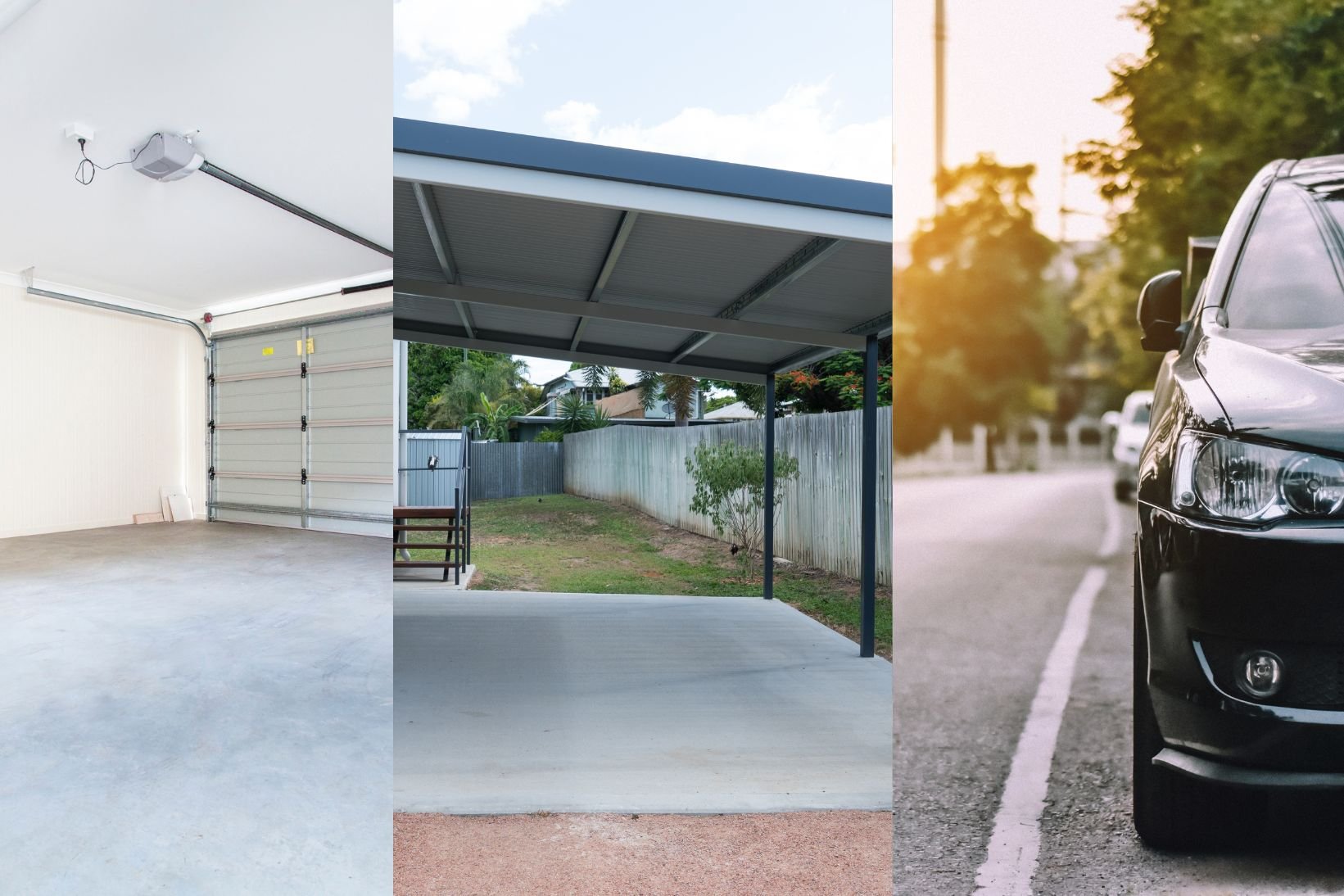
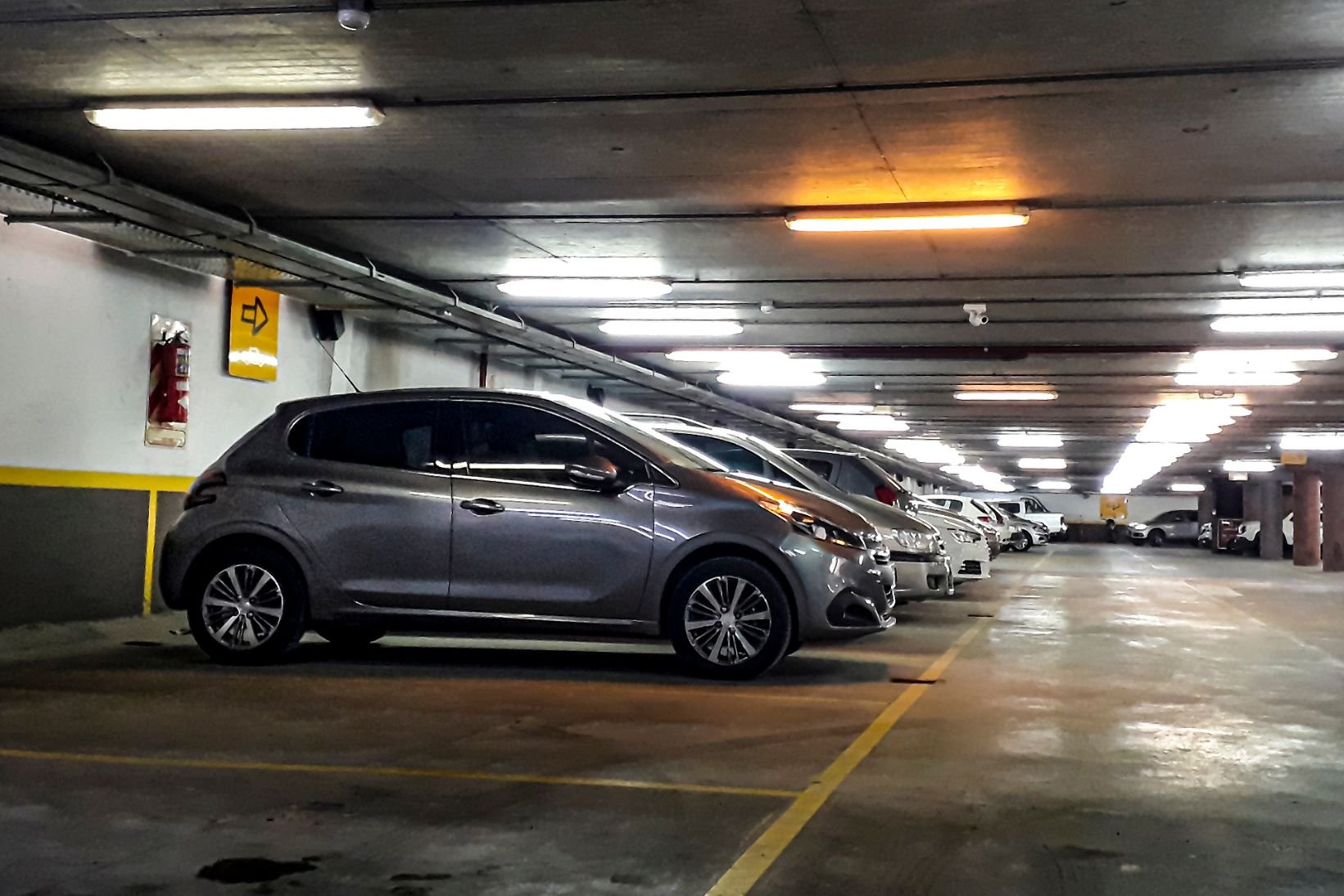
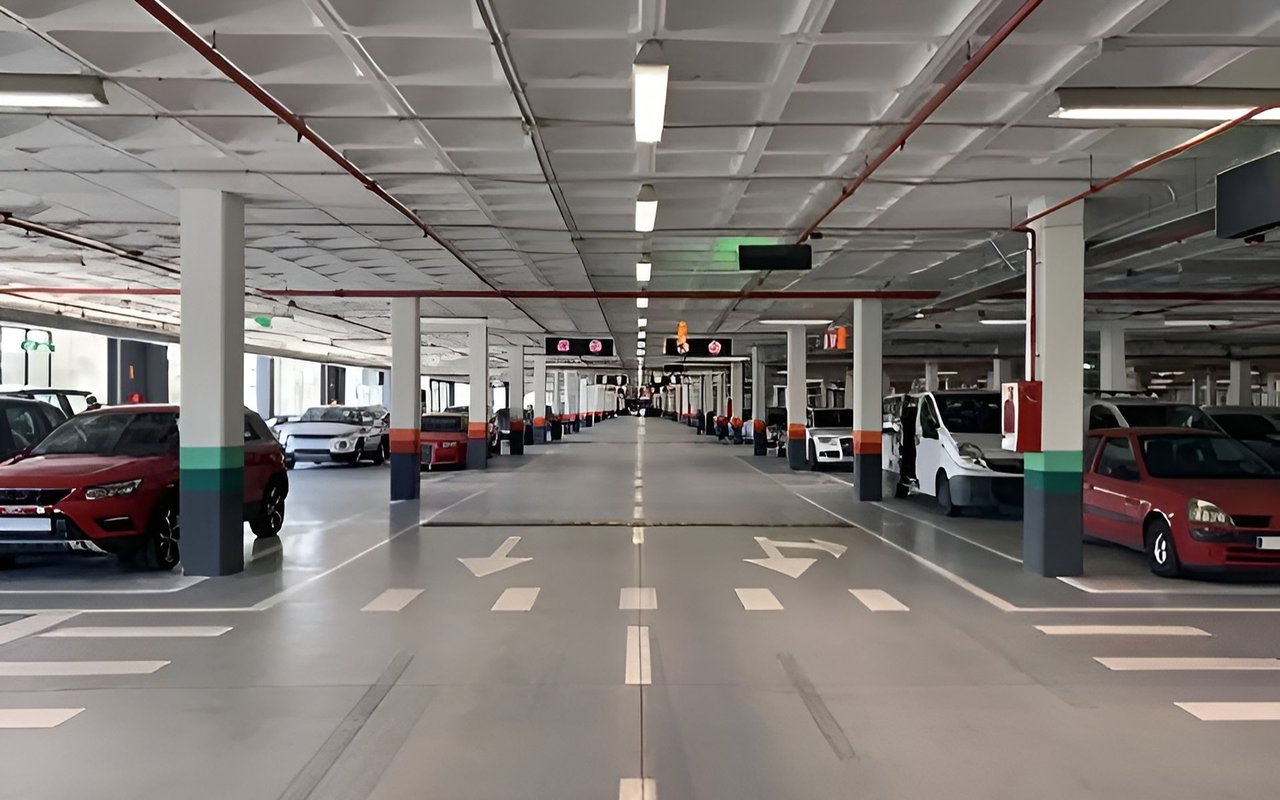
Not all parking is created equal when it comes to property value. Covered parking, such as garages or carports, typically adds the most value because it protects vehicles from weather and provides additional storage space. Many homeowners use garages for more than just cars, turning them into workshops, gyms, or extra storage areas.
Driveways offer the next highest value addition, particularly when they can accommodate multiple vehicles. A well-maintained driveway signals to buyers that they won't struggle with parking logistics when hosting guests or managing multiple family vehicles. Even the driveway material matters - concrete and paver driveways often add more perceived value than gravel or dirt surfaces.
Street parking availability, while less valuable than dedicated spaces, still influences buyer decisions. Neighborhoods with ample street parking feel more welcoming and accessible, while areas with parking restrictions or limited availability can deter potential buyers, especially those with multiple vehicles or frequent visitors.
The modern real estate landscape has amplified parking's importance in several ways. Remote work trends mean more families have multiple vehicles at home during the day, increasing demand for adequate parking. The rise of electric vehicles has also created new considerations, with buyers increasingly valuing homes where they can easily install charging stations.
Urban densification continues to make parking a premium amenity. As cities grow denser and street parking becomes scarcer, homes with dedicated parking spaces become increasingly attractive. This trend is particularly pronounced in secondary cities experiencing population growth, where parking hasn't traditionally been a major concern but is becoming one.
The parking premium varies dramatically across different regions and property types. In major metropolitan areas like Los Angeles, Miami, or Seattle, parking spaces can add $15,000-$50,000 or more to a home's value. Rural and small-town markets typically see smaller premiums, but adequate parking remains important for practical reasons.
Climate also plays a role in parking value. In regions with harsh winters or intense summer heat, covered parking becomes especially valuable. States like Minnesota, Arizona, and Florida often see higher premiums for garage spaces compared to temperate climates where outdoor parking is more tolerable year-round.
For homeowners considering improvements, adding parking can be one of the most cost-effective ways to increase property value. Converting unused yard space to a driveway, adding a carport, or even expanding an existing driveway can provide strong returns on investment.
When evaluating parking improvements, consider your neighborhood's character and needs. In historic districts, maintaining aesthetic harmony while adding parking value might require creative solutions like permeable pavers or strategically placed landscaping. In modern suburban developments, a straightforward driveway expansion might be the most effective approach.
Smart buyers should evaluate parking not just for current needs but for future considerations. A young couple might be fine with one parking space now, but they should consider whether they'll need more as their family grows. Similarly, buyers should think about guest parking, especially if they frequently entertain or have family visit.
Location of parking matters as much as quantity. A garage that requires backing into busy street traffic might be less appealing than one with easier access. Covered parking that's detached from the home might be less convenient than attached garage space, particularly in harsh weather climates.
As transportation evolves, smart property owners are thinking ahead. Electric vehicle charging capability is becoming increasingly important, and homes that can easily accommodate charging stations will likely see additional value premiums. Even if you don't currently drive an electric vehicle, ensuring your parking area can support future charging infrastructure is a wise investment.
Autonomous vehicle technology may eventually change parking needs, but that transformation is likely decades away. For the foreseeable future, adequate parking remains a crucial factor in property values and buyer appeal.
Whether you're buying or selling, understanding parking's impact on property value helps you make informed decisions. Sellers should highlight parking amenities in their marketing and consider cost-effective improvements that might boost appeal. Buyers should factor parking convenience and capacity into their long-term satisfaction with a property.
The bottom line is clear: parking isn't just about having a place to put your car. It's about convenience, security, and ultimately, property value. In today's competitive real estate market, the right parking situation can be the difference between a property that sells quickly at asking price and one that lingers on the market.
Whether you’re ready to buy your next home or considering selling your current one, we’re here to help. Complete the form below, and a member of our team will be in touch shortly to answer your questions and help you take the next step.
Work with a team backed by 25+ years of local experience, proven results, and a genuine commitment to every client relationship.

RYAN HILL GROUP
ADDRESS 1288 RICKERT DR STE 300 NAPERVILLE, IL 60540