Better Thermal Barriers for Building More Energy Efficient Homes
In terms of energy consumption, the heating and cooling systems are by far the largest culprits on the power grid. HVAC usage is upward of 39% in the US, while space heating and cooling is at 52% usage and 39% primary usage in the home, and carbon dioxide emissions are at 38%. To lower these percentages, leaders in government, business, and the environment have been looking for solutions from various angles. They now recognize that it is far better to enhance the buildings in which people live and work, rather than try to add more power generators to keep up with the demand for high energy usages. In turn, builders are finding new ways to create better thermal barriers to reduce the amount of heat transfer and reduce energy use.
Already a US State has taken up the issue, and not surprisingly, it’s California. Since 2011, the California Public Utilities Commission along with the California Energy Commission have been requiring that any new homes being built must achieve Zero Net Energy (ZNE) by the year 2020, as per the Global Warming Solutions Act. So far, even though ZNE homes being built are numbered in the single digits, they’ve found that:
The International Energy Agency (IEA) monitors the overall effect of sustainable practices worldwide. While energy production and use remain the largest threat to clean air needed for optimal health, and more initiatives are being created for achieving sustainable energy solutions, they remain confident that building better thermal barriers will go a long way to improving the way we live.
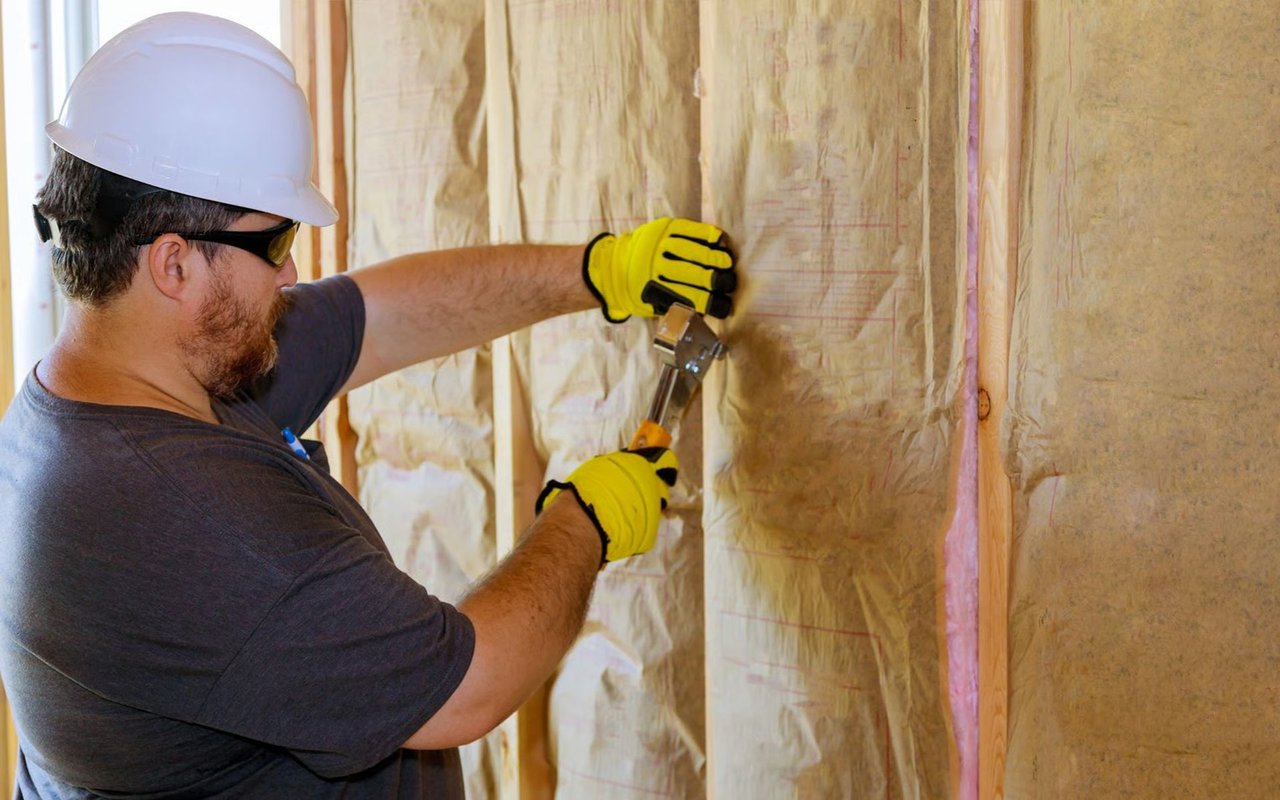
Currently, no other mandates exist for new home construction throughout the rest of the US, but several home builders in 17 other States, including Illinois, have chosen to adopt Zero Net Energy practices per the IEA’s suggestions for air sealing, insulation, reflective surfacing, and windows.
Building better thermal barriers for more energy efficient homes might be just one way to improve life as we know it, but nevertheless, it’s a big step in the right direction to produce the type of change we need in order to benefit generations to come.
If you need assistance in selling your Naperville property please do not hesitate to contact us at RyanHillGroup.com. Call Listing Agent and Managing Broker of Ryan Hill Group, Teresa Ryan at (630) 276-7575 for a no-obligation home sale consultation.
Selling a home? Here’s a free Home Selling Guide with all the information, tips, and tools you will need to successfully sell your home in Chicago’s Western Suburbs.
Don't forget to get a copy of our Home Buyer Guide written by Teresa Ryan for Chicagoland home buyers, visit: FREE Home Buyer's Guide
Whether you’re ready to buy your next home or considering selling your current one, we’re here to help. Complete the form below, and a member of our team will be in touch shortly to answer your questions and help you take the next step.
Work with a team backed by 25+ years of local experience, proven results, and a genuine commitment to every client relationship.

RYAN HILL GROUP
ADDRESS 1288 RICKERT DR STE 300 NAPERVILLE, IL 60540