Attic Armor: Shielding Your Wallet with Insulation Savings
Your home's best defense against energy waste might be hiding right above your head.
As your trusted real estate professional, I see countless homes throughout the year, and one of the most overlooked opportunities for savings lies in a space most homeowners rarely visit: the attic. Today, let's explore how proper attic insulation can become your home's financial shield, protecting your wallet from unnecessarily high energy bills while boosting your property value.
Contact Teresa Ryan at 630-276-7575 or visit RyanHillGroup.com for comprehensive market analysis and pricing consultation.
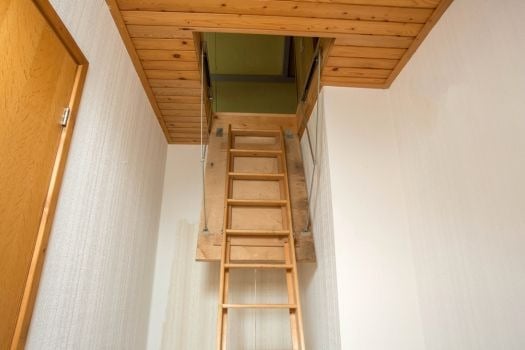
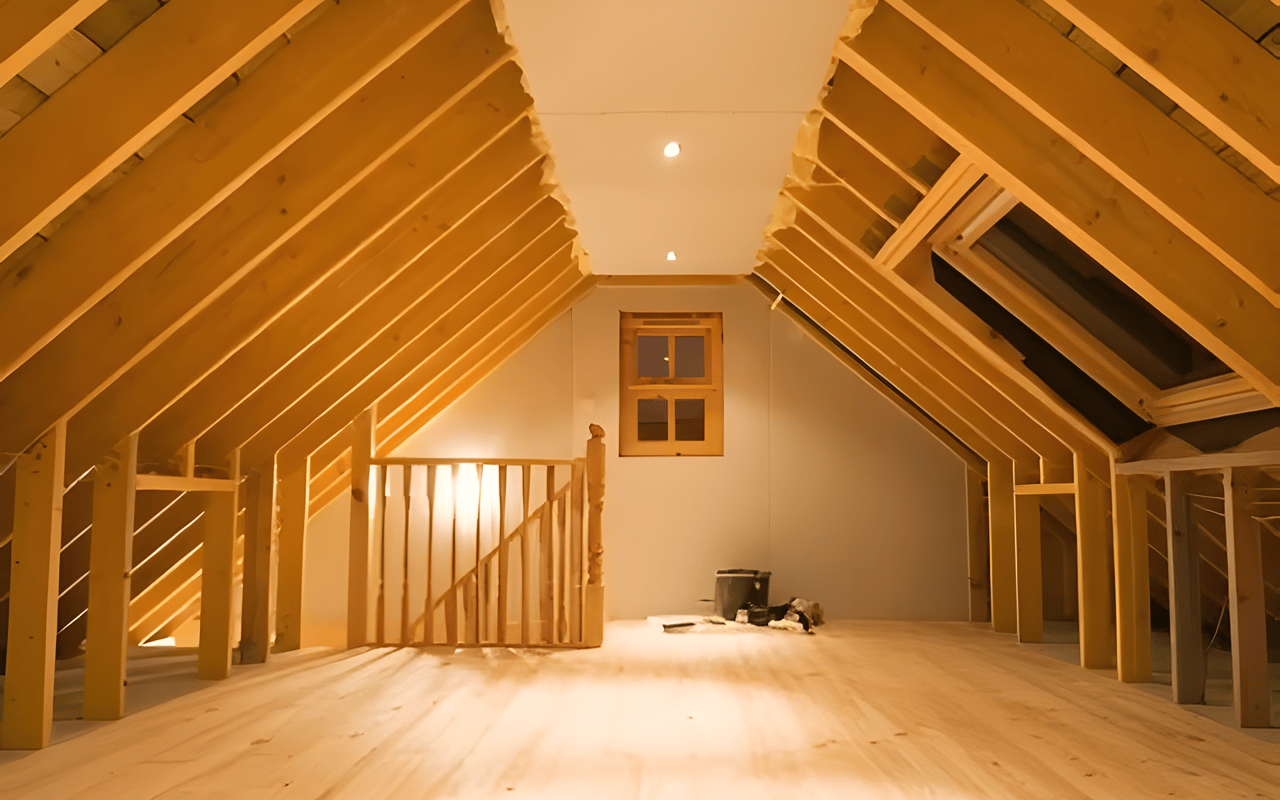
Your attic is like a gateway between your comfortable living space and the outside elements. Without proper insulation, it becomes a highway for energy loss. In winter, your expensive heated air rises and escapes through an under-insulated attic. In summer, scorching heat radiates down, forcing your air conditioning to work overtime.
Your attic is like a gateway between your comfortable living space and the outside elements. Without proper insulation, it becomes a highway for energy loss. In winter, your expensive heated air rises and escapes through an under-insulated attic. In summer, scorching heat radiates down, forcing your air conditioning to work overtime.
The numbers tell the story: according to the Department of Energy, heating and cooling account for about 50% to 70% of the average home's energy use. Poor attic insulation can increase these costs by 10% to 50%, meaning hundreds or even thousands of dollars literally floating away through your roof each year.
Not all insulation is created equal. The effectiveness of insulation is measured by its R-value - think of it as your attic's armor rating against energy loss. The higher the R-value, the better the protection.
Most homes in moderate climates need R-38 to R-60 in their attics, but many older homes fall short with R-19 or less. If you can see your ceiling joists through your existing insulation, or if your insulation is less than 10-12 inches thick, you're likely missing out on significant savings.
Upgrading your attic insulation typically costs between $1,500 to $3,500 for an average home, but the return on investment is impressive:
Energy Bill Reduction: Most homeowners see 10-20% reduction in heating and cooling costs immediately after proper insulation installation. For a family spending $200 monthly on energy, that's $240-$480 in annual savings.
Property Value Boost: Energy-efficient homes command higher prices in today's market. Proper insulation can add $1,000-$3,000 to your home's value, making it attractive to cost-conscious buyers.
Long-term Protection: Quality insulation lasts 20-30 years, meaning decades of continued savings. Over the life of the insulation, savings often exceed the initial investment by 3-5 times.
Your attic armor does more than save money. Proper insulation creates more consistent temperatures throughout your home, reducing hot and cold spots that make certain rooms uncomfortable. It also reduces the strain on your HVAC system, potentially extending its lifespan and reducing maintenance costs.
Many homeowners also notice improved indoor air quality and reduced noise from outside, creating a more comfortable living environment overall.
Start with a simple inspection. Head to your attic with a flashlight and measuring tape. If you can see the ceiling joists or if your insulation measures less than 10 inches, it's time for an upgrade.
Consider hiring a professional energy auditor who can identify not just insulation needs but other areas where your home might be losing energy. Many utility companies offer rebates or incentives for insulation upgrades, making the investment even more attractive. Always verify current rebate programs and eligibility requirements directly with your utility company, as programs and requirements change frequently.
As someone who helps families make smart real estate decisions every day, Teresa Ryan can tell you that energy efficiency isn't just a trend - it's becoming a necessity. Whether you're planning to stay in your home for years or considering a future sale, proper attic insulation is one of the smartest investments you can make.
Your attic might be out of sight, but its impact on your finances shouldn't be out of mind. By armoring your attic against energy loss, you're not just saving money - you're making your home more comfortable, valuable, and environmentally responsible.
Ready to explore how energy efficiency improvements might impact your home's value? Teresa Ryan is here to help you understand your local real estate market and make informed decisions about your property investments.
The easiest test is visual. If you can see your ceiling joists through the insulation, or if the insulation is less than 10-12 inches thick, you likely need more. Also, if you have rooms that are consistently too hot or cold, or if your energy bills seem high compared to similar homes, poor attic insulation could be the culprit.
The main types are fiberglass batts (pink rolls), blown-in cellulose, and spray foam. Fiberglass is most common and cost-effective. Blown-in cellulose fills gaps better and is eco-friendly. Spray foam provides the highest R-value but costs more. Your choice depends on your budget, existing insulation, and attic layout.
Basic fiberglass batt installation is possible for DIYers, but be cautious. You'll need proper safety equipment, and it's easy to miss air leaks or create gaps. Blown-in insulation requires special equipment. For best results and safety, especially in older homes, consider hiring professionals who can also identify and seal air leaks.
Quality insulation typically lasts 20-30 years. Fiberglass can last even longer if undisturbed. Signs it needs replacement include settling (reduced thickness), moisture damage, pest contamination, or visible deterioration. Regular inspection every few years helps catch issues early.
Absolutely! While many people think insulation is just for winter, it's equally important for summer. Proper attic insulation prevents hot air from radiating down into your living space, reducing your air conditioning workload and costs significantly.
Many utility companies offer rebates for insulation upgrades, sometimes covering 10-30% of costs. Federal tax credits may also apply for certain energy-efficient improvements. Always consult with a qualified tax professional regarding specific tax implications and eligibility requirements for your situation. Check with your utility company for current rebate programs in your area.
Energy-efficient homes typically sell for 2-7% more than comparable homes without efficiency features. For a $300,000 home, that could mean $6,000-$21,000 in additional value. Plus, homes with good insulation often sell faster because buyers appreciate lower utility costs. These are general market trends and actual impact on your specific property value should be determined through a professional comparative market analysis (CMA). Every home and market is unique.
This depends on your climate zone. Northern states typically need R-49 to R-60, while southern states need R-30 to R-49. Your local building codes and utility company can provide specific recommendations for your area. When in doubt, higher R-values provide better protection and savings.
Not necessarily. If existing insulation is in good condition and dry, you can often add new insulation on top. However, if old insulation is damaged, contaminated, or contains asbestos (in very old homes), removal by professionals may be necessary before installing new insulation.
You should notice a difference in your first full month after installation. Most homeowners see immediate improvements in comfort (fewer hot/cold spots) and 10-20% reduction in heating and cooling costs. The exact savings depend on your previous insulation level, home size, and local energy costs.
Ready to discuss your home's market position? Contact Teresa Ryan at (630) 276-7575 or visit RyanHillGroup.com for comprehensive market analysis and pricing consultation.
Let's approach your home sale with realistic market expectations and proven strategies for success.
Disclaimer: This information is provided for educational purposes only and should not be considered as professional advice regarding construction, energy efficiency, or financial planning. Energy savings estimates are based on general industry data and individual results may vary significantly based on home characteristics, local climate, energy costs, and usage patterns. Before making any home improvements, consult with licensed professionals including qualified insulation contractors, energy auditors, and tax advisors. Property value estimates are general market observations and actual impact on your home's value should be determined through a professional comparative market analysis. All financial and improvement decisions should be made in consultation with appropriate licensed professionals.
Whether you’re ready to buy your next home or considering selling your current one, we’re here to help. Complete the form below, and a member of our team will be in touch shortly to answer your questions and help you take the next step.
Work with a team backed by 25+ years of local experience, proven results, and a genuine commitment to every client relationship.

RYAN HILL GROUP
ADDRESS 1288 RICKERT DR STE 300 NAPERVILLE, IL 60540